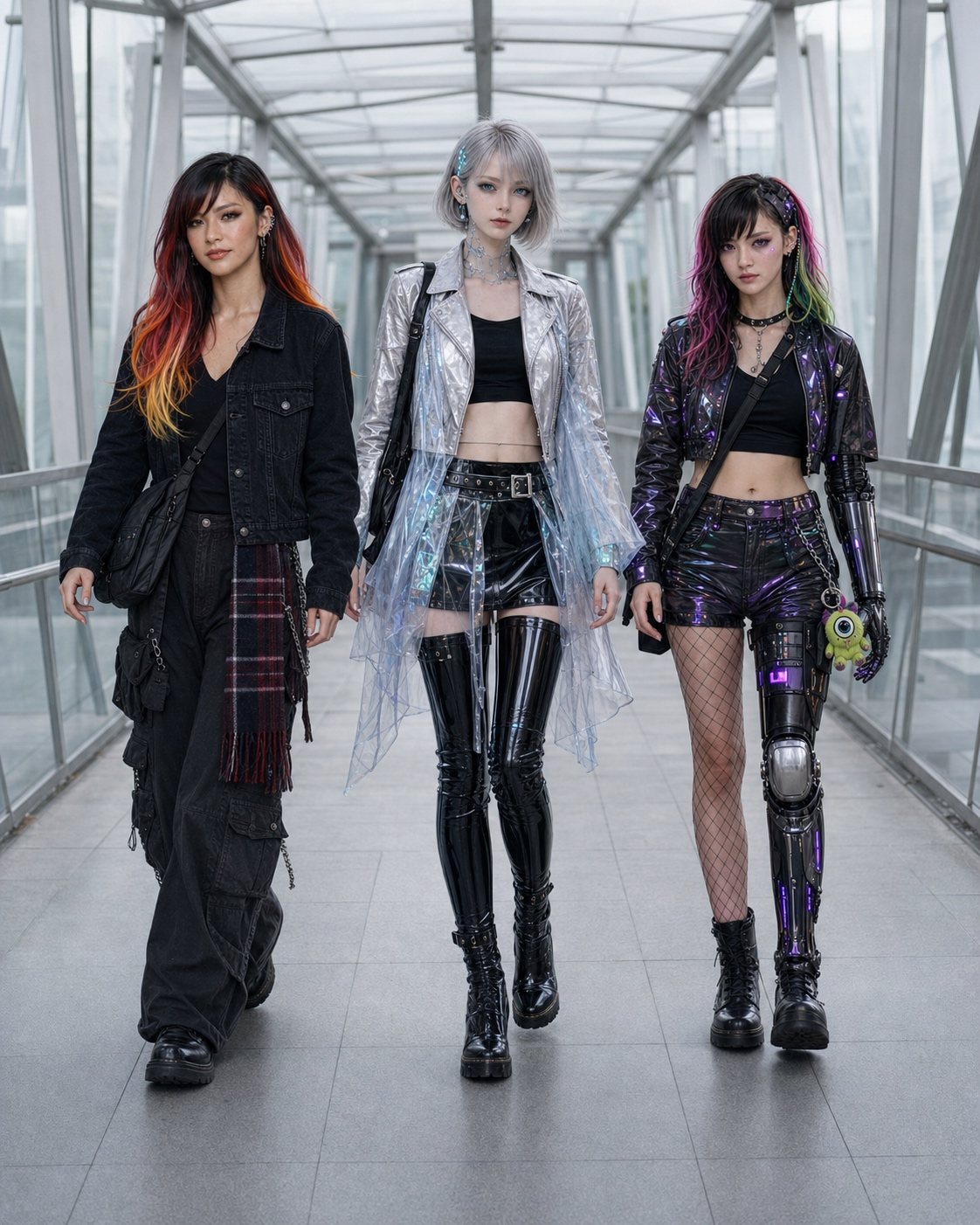
Does AI Music Follow the Prompt? KRUSH’s Production Note and Released Track
A KRUSH draft specifies 180 seconds; its release is listed at 2:58. Compare production intent with public information, then carry a question into the official recording.

When music is described as AI-made, the prompt is only one thing you might want to know. What was the intended shape of the song, and how does that description connect to the released recording? A small comparison from KRUSH://Kana-Blaze gives us something concrete to examine.
The KRUSH draft specifies 180 seconds. Apple Music and Spotify list the released track at 2:58. Comparing them separates a target from a public release. Those numbers alone do not explain how the difference arose.
Begin with what the note sets out to do
DST61 is a virtual band using AI in the creation of music and visuals. Its production guidelines name Suno as the primary music-generation tool. The KRUSH material discussed here includes a lyric draft and an input template for Suno.
The note sets out themes of destruction and repair, a combination of heaviness and cuteness, short interludes, and an ending without a long instrumental outro. These are useful clues to what the song was meant to become. An instruction on a page does not establish that every corresponding sound appears in the released recording.
Kana and NEO, named in the material, are characters through which the project frames voices and roles. Their names should be read separately from recording credits for real-world performers. The guide to DST61’s music, characters, and imagery explains that relationship.
A three-minute target and a 2:58 release
Duration offers an accessible comparison. The draft specifies 180 seconds, or three minutes. On November 9, 2026, both the Apple Music release page and the same release on Spotify listed KRUSH://Kana-Blaze, track three, at 2:58.
What we can establish is the difference between the draft’s target and the services’ display. These two sources cannot tell us whether the difference arose during generation, later editing, or processing for release. They do not establish that someone cut two seconds or tell us how many generations were attempted.
The comparison still matters. It takes us from imagining a finished piece through its instructions to checking a released song for ourselves. A note contributes to the explanation; the listening remains yours.
Where to put your attention after reading the note
Open CLASH*CRUSH*KRUSH in the Spotify player here and choose track three. With the stated intention of short interludes and no long outro in mind, consider how the movement of the song feels to you. Two questions can give you a starting point:
- Where would you like something to continue, and where would you prefer the song to move on?
- As the track approaches its end, what remains as a reason to hear it again?
These questions prescribe no correct timestamp or sound. Try them to see whether knowing the intended shape changes your attention. For the song with its visual presentation, the other player opens KRUSH on the official YouTube channel.
Give questions about AI a concrete answer
Disclosing AI use does not resolve every question about production. Naming a tool, showing what survives in the production material, and placing it beside something verifiable in the release can make the explanation more useful. It also makes its limits visible.
This article shares a draft’s duration target and its intended approach to structure. It is not a complete generation or editing history. You can keep your views about AI while considering whether an explanation is sufficient and whether something in a song interests you. Neither judgment needs to settle the other.
Return from the recording to the words
If its lyrical images interest you, continue with Fear and Cuteness in KRUSH. Moving between that reading and this account of production intent offers two approaches to the same track. The release guide also leads to the songs carrying RAY-III’s and NEO-β’s names.
Apple Music and Spotify open the three-track release; YouTube opens the official KRUSH video. The official TikTok profile is an entrance to the band’s short posts, rather than a specific video documenting this process. Players load on request. Preview availability depends on the service and your login.